The Wayanad Twin Tunnel is regarded as the flagship infrastructure project of the Left Democratic Front (LDF) government, particularly of former Chief Minister Pinarayi Vijayan. The previous government projected it as one of its most significant development initiatives. However, critics argue that repeated warnings about the area’s geological vulnerability were ignored, and Wayanad has once again witnessed a major disaster.
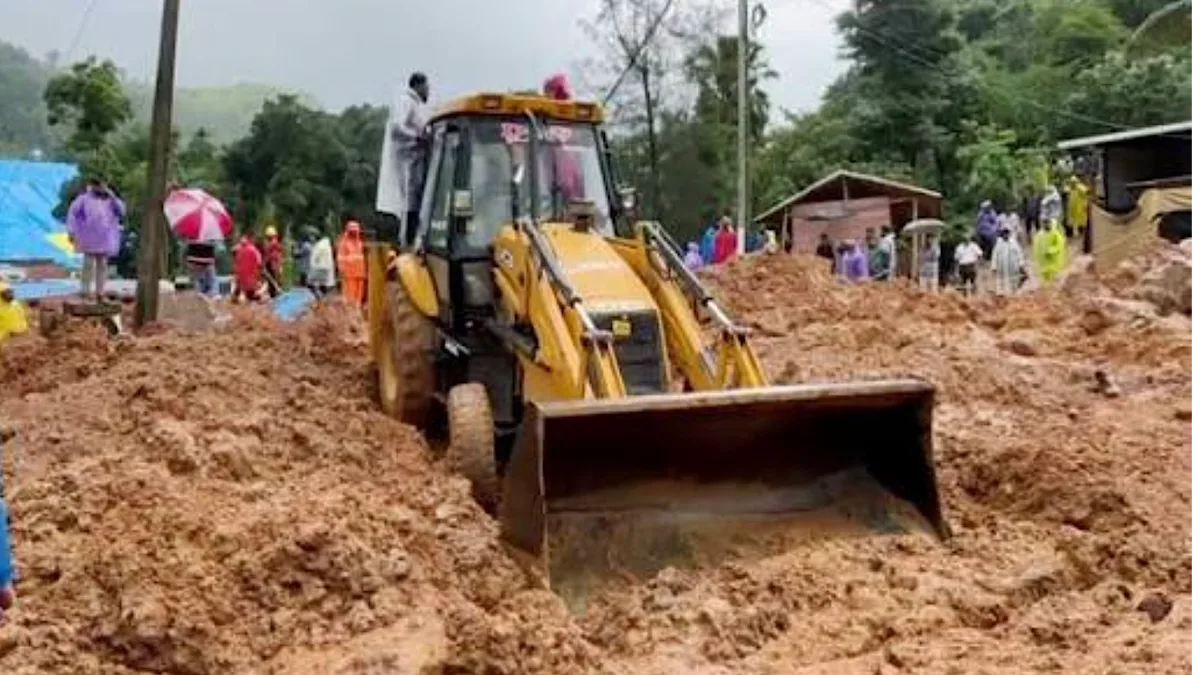
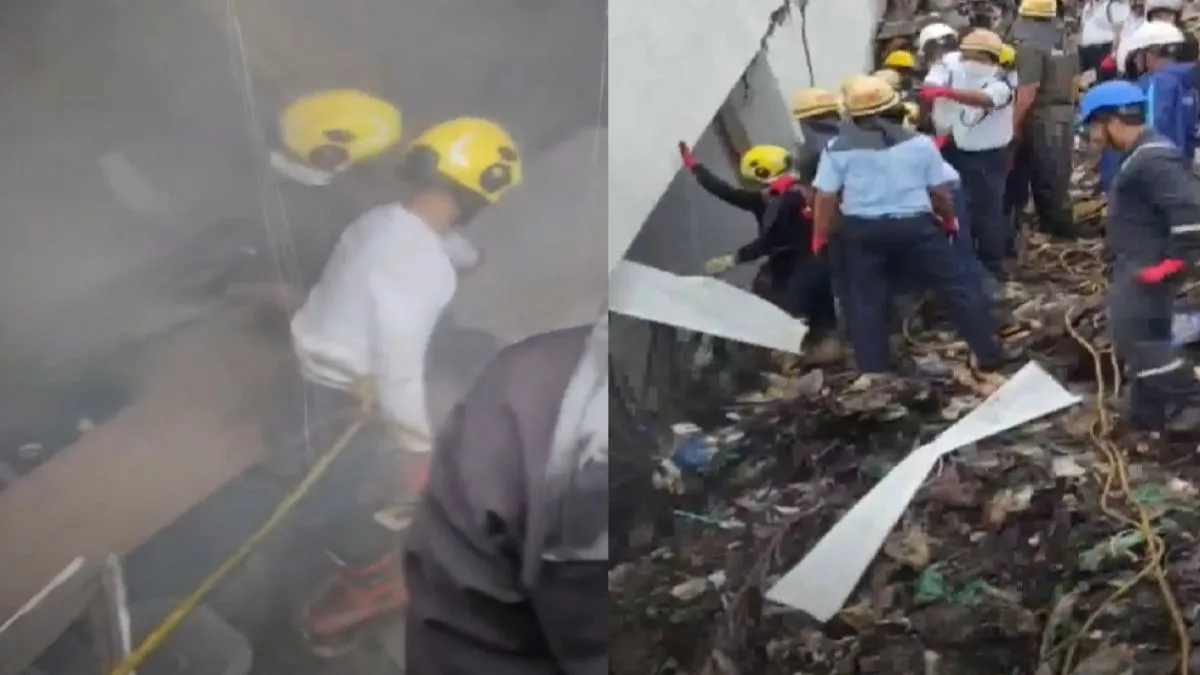
The future of the Wayanad Twin Tunnel road project is now under intense scrutiny following the deadly landslide at its Kalladi construction site on Tuesday. Although the newly elected UDF government had backed the mega infrastructure project to ease traffic congestion on the Thamarassery Ghat Road, the latest tragedy has severely disrupted its momentum and triggered renewed concerns over safety and environmental sustainability.
Advertisement
The project is intended to address chronic traffic congestion on the Thamarassery Ghat Road by connecting Anakkampoyil in Kozhikode district with Meppadi in Wayanad through an 8.73-km twin-tube, four-lane tunnel. The tunnel will run from Marippuzha in Kozhikode to Meenakshipalam in Kalladi, Wayanad, and is expected to reduce travel time between Kozhikode and Wayanad by nearly an hour.
The project is also expected to boost tourism and improve cargo transportation. A tripartite agreement has been signed between the Kerala Public Works Department, the Kerala Infrastructure Investment Fund Board (KIIFB), and the Konkan Railway Corporation Limited, with the latter entrusted with executing the construction.
The project is being implemented under stringent environmental safeguards aimed at protecting the fragile ecosystem of the Western Ghats. Around 33 hectares of land are being acquired for the project, which is estimated to cost Rs 2,134 crore. Nevertheless, environmental organisations have consistently opposed what would be India’s third-largest road tunnel.
The Wayanad Prakriti Samrakshana Samithy has alleged that construction began without a comprehensive geological and environmental study. The tunnel alignment passes through a region that has witnessed devastating landslides at Chooralmala, Puthumala and Kavalappara. Even before assuming office as Chief Minister, V. D. Satheesan had maintained that the project should proceed only after a thorough scientific evaluation.
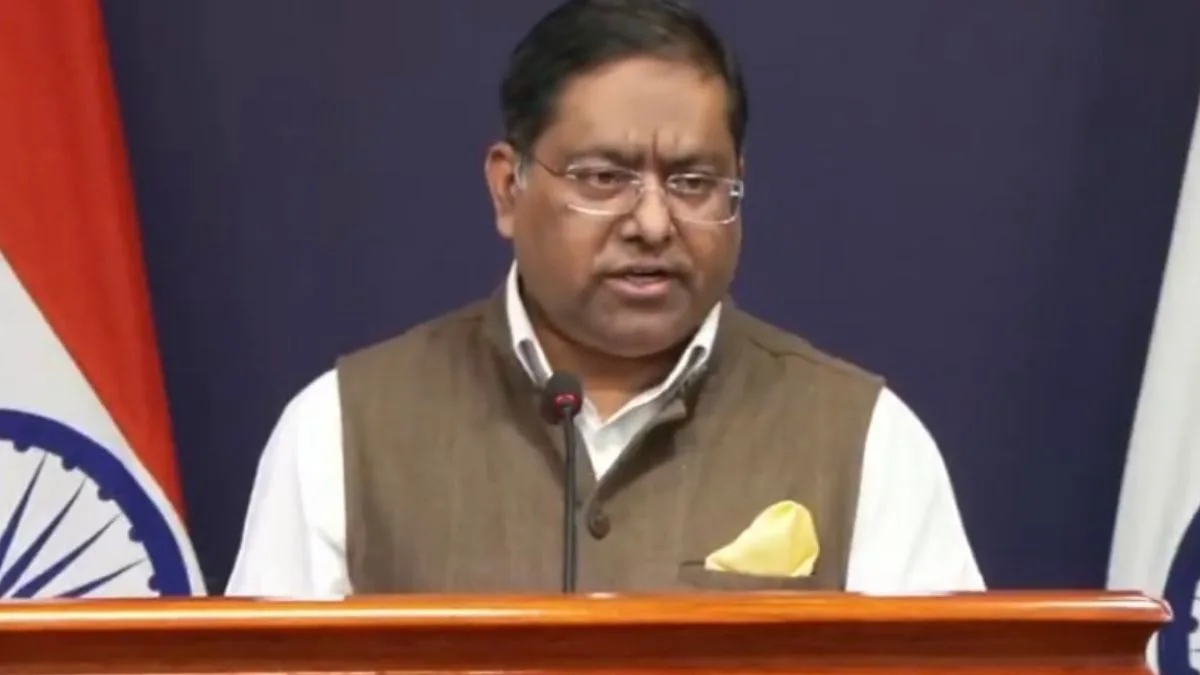
Following the tragedy, Chief Minister V.D. Satheesan adopted a strong stance against the project’s execution team, attributing the accident primarily to human negligence. He alleged that the contractor, Dilip Buildcon Limited, ignored a June 20 directive issued by the District Collector and the Disaster Management Authority to remove large mounds of excavated soil from the construction site.
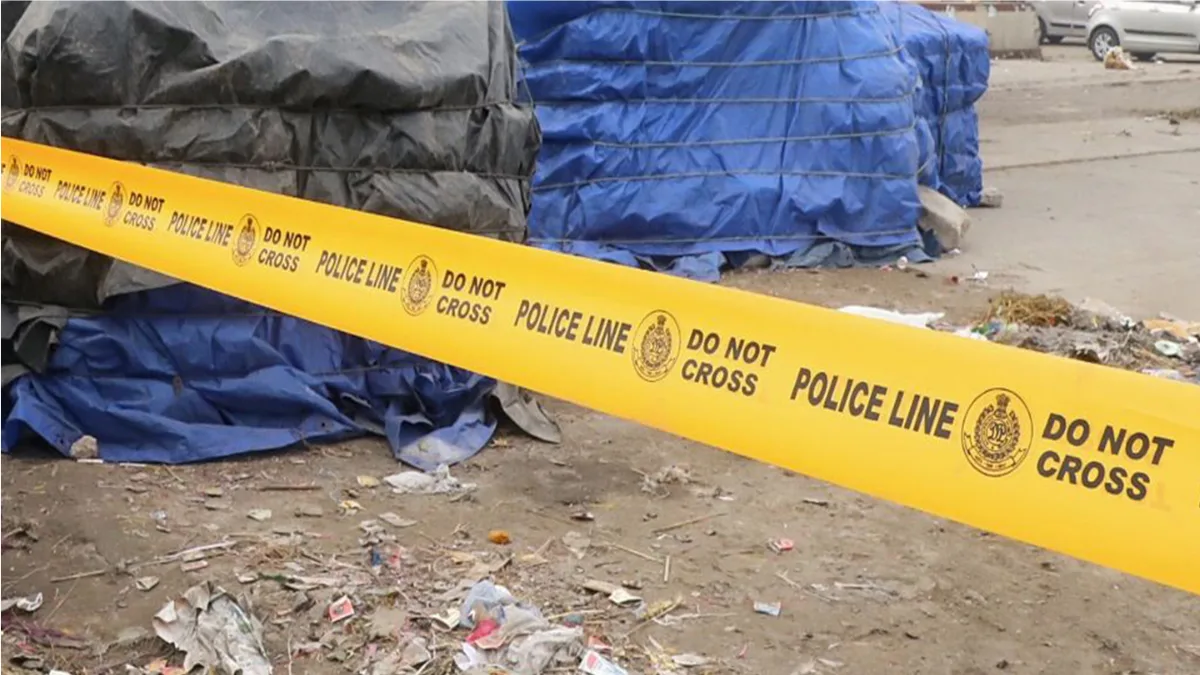
Although the Public Works Department and the district administration had issued advance warnings, officials said the contractor failed to comply. According to some officials, the company had not identified a suitable site for dumping the excavated earth, leaving large quantities of soil covered under tarpaulins at the site. As a result, the June 20 directives remained unimplemented. Following the accident, the project’s future has become uncertain, with public opposition expected to intensify.
Environmental groups are now expected to adopt a more aggressive campaign against the project. They argue that the latest disaster strengthens their long-standing opposition to large-scale mountain excavation and road development in active landslide-prone regions. The Chief Minister has already stressed the need for greater caution in view of the disaster, and his position on the tunnel project is likely to play a decisive role in determining its future. Legal challenges to the project are also expected.
Critics argue that blaming the contractor solely for ignoring the June 20 directive reduces the tragedy to a case of corporate negligence while shielding government departments and implementing agencies from wider scrutiny over safety clearances, project design and the decision to continue extensive excavation during the monsoon season.
They further contend that the heap of excavated soil was merely the immediate trigger, while the underground excavation itself may have altered the structural stability of the terrain, increasing its vulnerability to collapse during intense rainfall.
Environmentalists have long warned that large-scale engineering works in the deeply weathered slopes of the Western Ghats carry inherent risks of structural failure. They point out that the Anakkampoyil-Meppadi tunnel passes through one of Kerala’s most fragile landscapes, the same region that experienced devastating landslides in Chooralmala and Mundakkai between 2019 and 2024.
Leaders of the Wayanad Prakriti Samrakshana Samithy have previously warned that proceeding with such projects despite repeated landslide disasters could lead to further tragedies. “The landslide was only a warning signal. The crown of the landslide is close to the Vellarmala portal of the proposed tunnel,” they have said.